Table of contents
The landscape of caffeine consumption is evolving rapidly, with caffeine pouches emerging as a noteworthy alternative to traditional energy drinks. As individuals grow more health-conscious and seek discrete, convenient ways to boost alertness, the appeal of these innovative products is rising. Dive into the discussion below to uncover what’s driving this shift and what it could mean for the future of caffeine use.
The rise of caffeine pouches
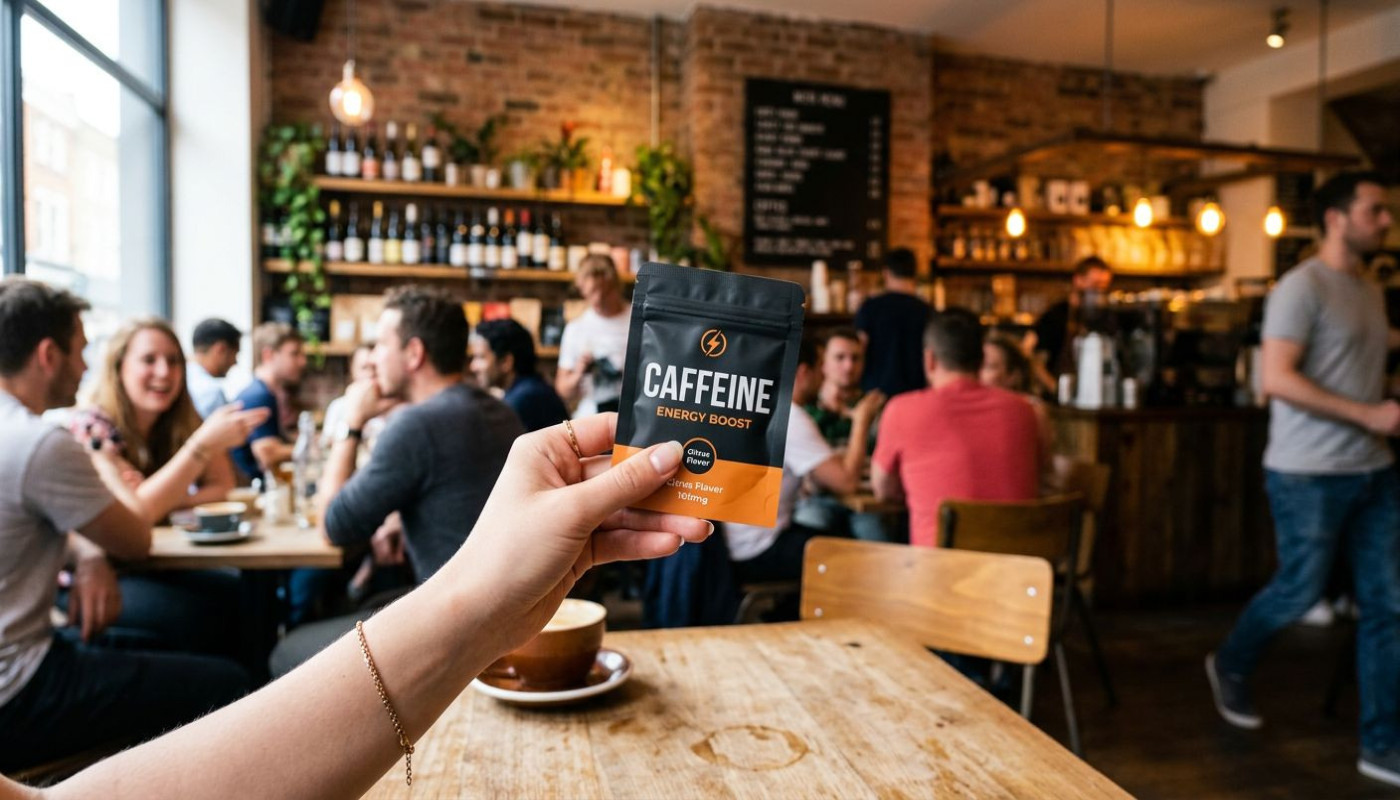
Caffeine pouches have seen a rapid surge in popularity, marking a noticeable shift as individuals seek energy drink alternatives better suited to their modern lifestyle. A significant factor fueling this trend centers on convenience, with more adults embracing on-the-go options that fit seamlessly into busy routines. Unlike traditional canned beverages, caffeine pouches provide a discreet, spill-free method for caffeine consumption, appealing to commuters, professionals, and fitness enthusiasts alike. Market data reveals a steady decline in energy drink sales while sales of caffeine pouches continue to climb, reflecting evolving consumer preferences for products that balance efficacy with portability.
Industry insights from leading market analyst Dr. Jessica Harper shed light on the driving forces behind this transition: The demand for a more controlled and rapid method of caffeine delivery has never been higher. Caffeine pouches utilize transmucosal absorption, meaning the active ingredient bypasses the digestive system and is absorbed directly through the lining of the mouth. This results in a quicker onset of effects compared to traditional beverages, meeting the expectations of consumers seeking immediacy without the bulk, sugar, or additives frequently found in energy drinks. In this way, caffeine pouches not only satisfy the need for convenience but also offer a technical innovation that appeals to health-conscious users.
The appeal of caffeine pouches extends beyond their functionality, resonating with those who value discretion and efficiency in their caffeine consumption. With a growing emphasis on wellness and personalized intake, these products offer precise dosing and reduce the risk of overconsumption, a frequent concern with large-sized energy drinks. The rise of caffeine pouches signifies a broader trend toward innovative, user-friendly energy drink alternatives that cater to the demands of a dynamic, modern lifestyle while leveraging scientific advances for optimal performance and satisfaction.
Health considerations at the forefront
Health motivations play a driving role in the transition from energy drinks to caffeine pouches. Growing awareness of energy drink risks, such as cardiovascular strain, anxiety, and insomnia, has prompted individuals to seek safer caffeine delivery methods. Recent studies highlight the high sugar and calorie content in conventional energy drinks, which contribute to increased glycemic index and can spike blood sugar levels, making them less desirable for those pursuing low-calorie caffeine options. In contrast, caffeine pouches offer sugar-free energy and are typically formulated with minimal calories, helping users avoid sudden blood sugar fluctuations. These characteristics align with current wellness trends, attracting consumers who value balanced energy support without negative metabolic impacts.
A top registered dietitian points out that caffeine pouches may provide a more controlled dose of caffeine health benefits, reducing the risk of overconsumption and subsequent side effects associated with energy drink use. While the absence of sugar and lower calorie count present clear advantages, challenges do remain, such as potential oral irritation or misuse for continuous stimulation. Despite these concerns, the shift demonstrates a growing preference for alternatives that support wellness goals, particularly among adults keen to manage their energy intake and overall health more effectively.
Discreetness and social perceptions
The transition toward discreet caffeine consumption, particularly through caffeine pouches, aligns with evolving social acceptance and changing attitudes around workplace caffeine use and public consumption. Unlike energy drinks, which often feature bold branding, conspicuous cans, and an association with the energy drink stigma, caffeine pouches allow for subtle usage without attracting attention. Social signaling, a term frequently referenced by experts in consumer behavior such as Professor Juliet Schor, describes how individuals send messages about their identity and values through product choices. In this context, opting for discreet caffeine products communicates a focus on professionalism and self-control, contrasting with the more rebellious or adolescent associations tied to energy drink habits. These societal perceptions often influence purchasing behavior, as users seek products that integrate seamlessly into adult daily routines while avoiding negative judgments. The increased adoption of caffeine pouches in office settings further demonstrates the appeal of products that support productivity without the social baggage or health concerns sometimes attached to energy drinks.
Comparative effects and delivery speed
Caffeine delivery through pouches and energy drinks exhibits notable differences in both onset and duration of alertness, with distinct implications for users seeking a rapid energy boost. The pharmacokinetics of caffeine pouches demonstrate a faster absorption rate because the active ingredient is absorbed directly through the oral mucosa, bypassing the digestive tract. This results in a quicker caffeine onset, typically within 5 to 15 minutes, leading to a more immediate sense of alertness. Energy drinks, conversely, require gastrointestinal absorption; their caffeine onset is generally delayed, taking 30 to 45 minutes to reach peak plasma concentration, and the effects may linger longer but with a less predictable curve of stimulation.
Scientific studies confirm that pouch effects are characterized by a sharper but shorter spike in energy boost, making them suitable in situations where a swift mental lift is needed without prolonged stimulation that can disrupt normal sleep patterns. Variability in individual metabolism and habitual caffeine use can influence outcomes, yet the mechanism of mucosal absorption ensures that pouches provide a consistent and efficient method for those who prioritize rapid caffeine delivery. Compared to the liquid format, pouches often contain fewer additives and calories, which may appeal to health-conscious consumers wary of sugar or artificial components present in typical energy drinks.
Exploring the practical application of these findings, individuals interested in optimizing their caffeine intake for alertness during demanding tasks often seek alternatives with controlled dosage and faster onset. For more information on available products that deliver these pouch effects, reviewing specialized options at https://neopouches.com/collections/energy-pouches provides insight into current offerings in the market. This shift from energy drinks to caffeine pouches underscores a broader trend toward targeted, efficient, and customizable energy boost solutions driven by advances in pharmacokinetic research.
The future of caffeine consumption
Looking ahead, caffeine trends point toward ongoing market disruption as pouch innovation accelerates and redefines the future of caffeine. Advancements in pouch technology may introduce features like precision dosing, rapid absorption, and customizable flavor or strength, catering to evolving consumer habits that prioritize both convenience and health. As authorities increase scrutiny, caffeine regulation could become stricter, affecting labeling, marketing, and permissible dosages, especially for novel delivery forms. These regulatory adjustments may prompt manufacturers to develop safer, more transparent products, influencing the way people incorporate caffeine into everyday routines and potentially reducing risks of overconsumption.
Shifts in consumer habits, driven by health awareness and demand for discreet, portable options, are expected to steer the caffeine market away from traditional energy drinks and toward innovative alternatives. Market disruption from new pouch-based products could further reshape public perceptions of caffeine’s role in lifestyle, with many individuals favoring cleaner, sugar-free solutions to maintain focus and productivity. As pouch innovation continues and caffeine regulation evolves, the future of caffeine will likely be characterized by enhanced personalization, increased safety, and a broader acceptance of diverse consumption methods, altering health outcomes and daily habits for years to come.
Similar

Exploring The Benefits Of Energy Channeling For Emotional Healing

How Modern Fertility Treatments Empower Personal Family Planning

Exploring The Hidden Benefits Of Lymphatic Drainage For Wellness

Exploring The Benefits Of EMDR And Art Therapy For Trauma Recovery

Exploring Natural Sources Of Collagen For Enhanced Joint Health In Athletes

Exploring The Psychological Benefits Of Shared Healing Experiences

Exploring The Impact Of Plant-based Diets On Long-term Health

Exploring The Profound Impact Of Group Energy In Guided Healing Meditations

Exploring Holistic Approaches To Infant And Adult Sleep Coaching

Understanding And Choosing Health Insurance Plans For Expatriates In Vietnam: A Comprehensive Guide
